


Injection Mould
Why Choose Us
Rich Experience
After more than ten years of industry experience and technology accumulation, Xinrui Company has developed into a one-stop medical parts and finished products full ecological chain service manufacturer integrating industrial design, mold design, solid silica gel/liquid silica gel, finished product assembly, etc.
Quality and Price
Our products are of high quality and competitive price.
Production Capacity
Advanced production equipment and rich operating experience.
Customized Service
We provide customized products that can meet the strict requirements of customers.
What is Injection Mould
Injection Mould is a manufacturing process that allows for parts to be produced in large volumes. It works by injecting molten materials into a mould (or ‘mold’ in the United States). It is typically used as a mass production process to manufacture thousands of identical items. Injection moulding materials include metals, glasses, elastomers and confections, although it is most commonly used with thermoplastic and thermosetting polymers.
Benefits of Injection Mould
Efficient high production
Once you have developed the molds, the process is extremely fast with cycle times as short as 10 seconds. It is excellent for medium and high-volume production runs for anything from 10,000 parts to well over 100,000 depending on what molds you use. Sometimes you can increase production by using a multi cavity or family mold, where several parts are produced from one press to further increase the manufacturing rate.If you are outsourcing your molding then it’s also important to consider an efficient front-end design and order process – take a look at our on demand manufacturing.
Low cost per part
For high output production runs the cost per part is very low. Even for medium volumes – in the range of 10,000 to 25,000 parts, you can keep the costs down by using aluminum molds instead of steel.
Repeatability
You can manufacturer identical products over and over again. This is ideal when you need to have parts with high tolerances and reliability across high volumes.
Large material choice
There is a huge range of plastic materials that you can select from depending on what properties you need from your final part. And you are not limited to plastic, Protolabs also offers liquid silicone rubber molding.You can even use fillers in the molding material, which adds greater strength to the completed part, and you have a huge range of colors to choose from as well. Talk to us about what you need your part to achieve-there are generally a number of different options.
Low waste
The injection molding process produces very little waste when compared to many other manufacturing processes. Even if there is any unused or waste plastic, you can recycle it for future use.
High detail
The process involves injecting molten plastic into the mold under very high pressure. This presses the plastic hard up against the molds allowing complex and intricate shapes plus a lot of detail.
Types of Injection Mould
Standard Injection Molds
The standard plastic injection mold is the most simple design, basically the standard molds is same as two plate molds construction, they divided in two side : Cavity side and core side, cavity side is the side that construct to flowing plastic material from nozzle to cavity parts, basically they consist of sprue, runner.
Slide Injection Mold
Development from this mold type is the used slider parts in various molds types, basic slide mold is transfer horizontal movement of mold to vertical movement, this types of molds is used to make parts with undercut, you should see more at the post when we need slider for learn more.
Three plate molds
Basically three plate molds has two parting line, and floating plate, floating plate support by support pin, Since the mold has two parting planes, the runner system can be located on one side of floating plate or make special plate that attach in floating plate, we called runner plate, see post about runner plate. Three plate molds are used because of their flexibility in gating location. this types of molds is flexible even use in multiple cavity.
Split Cavity Mold
Basically the split cavity is same as 2 plate standard mold, but the cavity have split block to make undercut product or external threads.this type of mold use when the slider is not enough to make the undercut or the threads. the disadvantages of this mold is when use for little parts, the construction will difficult.
Application of Injection Mould
Construction
Injection molding various construction and building components is becoming increasingly popular due to the innate versatility of plastic injection molding. There are many reasons why this method is suitable for use in construction: Very high stability of the materials used.
Food industry
Parts used in the food and beverage field must follow stringent health and safety rules and regulations, such as the GMA-safe program and FDA certification. All this is necessary to ensure the wellbeing of individuals using such products. To abide by the aforementioned standards, molded parts have to be BPA-free and completely non-toxic.
Medical industry
Similarly to the food and beverage industry, plastic parts made for the medical and pharmaceutical field have to follow even more stringent guidelines. In order to meet those standards, manufacturers must use FDA or medical-grade resins and manufacture their components according to ISO certification.
Point of purchase
These components have to be both decorative and functional, which means the manufacturer has to achieve the balance between aesthetics, usability, and durability. The components you can create through plastic injection molding are so varied it’s difficult to name the most common ones. Some of the frequently used parts are product stops, hooks for pegboards, shelf dividers, but also many more.
Automotive components
Due to its innate design flexibility, but also high durability and longevity, plastic injection molded parts are very frequently used in the automotive industry. This process makes it easy to design and create various items you find in and on your car every day, such as mirror housings, cup holders, bumpers, but also entire dashboards.
Components of Injection Mould
Hopper
The hopper is the component where the plastic material is poured before the injection molding process can begin. The hopper usually contains a dryer unit to keep moisture away from the plastic material. It may also have small magnets to prevent any harmful metallic particles from entering the machine. Next, the plastic material is poured into the following major component from the hopper, called the barrel.
Barrel
The barrel, or the material tube and barrel, heats the plastic material into a molten state to let plastic flow through the barrel. The screw inside injects the plastic into molds or cavities in the clamping unit. Therefore, the temperature in the barrel needs to be adequately regulated to maintain the appropriate temperature for different types of plastic material. The function of the cylinder is to transport, compact, melt, agitate and press the plastic before it reaches the injection mold.
Screw Motion or Reciprocating Screw
Reciprocating screws were created in the mid-1950s, and by 1960 they quickly began to replace the older systems. The advantage of the reciprocating screw design is that it helps manage the temperature of the molten plastic.
Heaters
An injection molding machine can have different types of heaters for maintaining temperatures in conduits and nozzles and heating molds and platens. A heating element can be attached to the barrel and used to melt the hopper's molding material to become liquified material. Some of the different types of injection molding heaters include band heaters, coil/nozzle heaters, cartridge & strip heaters, and insulated cloth heating jackets.
Nozzle
The nozzle is an injection molding component located at the bottom of the machine’s ejector system. It pushes liquified plastic out of the barrel and into the mold. The nozzle rests against a surface on the mold called the sprue bushing and locating ring, which helps center the nozzle on the mold. Today, nozzles can provide a variety of functions, including filtering, mixing, and shut-off of melt flow.
Extraction Pins or Ejector Pins
Ejector pins are vital in creating parts. They are an essential component of the ejection system in molds, which determines the outcome of products in an injection molding process.The metal injection mold comprises two parts: A and B sides. After the molten material in the mold is cooled, both parts are separated to remove the solid plastic. Injection molds are built so that when they are opened, the A-side half is lifted, leaving the formed part and the B-side.
How to Choose Injection Mould
Speed to Build
Building a brand new mold is often one of the longest lead times in your project. Molds can be built in just a couple of weeks or mold building can take several months.When it comes to the speed of mold build, evaluate your true project needs rather than just how quickly it can be built. If you are still trying to prove your concept, you can likely expect a prototype or R&D mold to take 3-6 weeks. If you are ready to run high-volume, a production-ready mold may take upwards of 12-18 weeks.
Cost of the Initial Mold Build
With molds ranging from $5,000 to $100,000 or more, it is critical to build this line item into your budget early. An R&D mold for a simple part is going to be much cheaper than a multi-cavity, production-level mold.If you believe you’ll need multiple design iterations, running through several R&D molds might be your best bet, but relying on a $5,000 mold for longevity is going to leave you with quality issues and a headache in the long run.Several factors impact the cost of your mold, including mold classification (more on that later), the complexity of your part(s), mold cavitation, and specialty molding features.
Project Development Stage
Where you are in your project development stage is a critical factor in mold selection. Typically, it is broken into: Design, Prototype, Pre-Production, Production, and High-Volume.In the early stages, you can typically expect a lower cost, lower construction quality mold. That is because these stages often include multiple design changes and revisions. Some companies are eager to jump into a production-ready mold as a way to avoid paying for several prototype molds. This can be dangerous, as the cost and time for mold changes and modifications increase substantially for these molds.
Part Geometry or Complexity
Certain part geometry and features require different moldmaking approaches. As such, some parts have to be made using hardened steel (or steel inserts) rather than the softer materials typically used in R&D tooling, like aluminum.Additionally, material selection will also play a role in moldmaking. Some plastic materials do not interface well with certain mold materials. For instance, a part made with glass-filled nylon, even in prototype, will need to be molded in a higher quality mold than a part made in standard polypropylene.
Process of Injection Mould
Clamping
The first step of the injection molding process is clamping. Injection molds are typically made in two, clamshell-style pieces. In the clamping phase, the two metal plates of the mold are pushed up against each other in a machine press.
Injection
When the two plates of the mold are clamped together, injection can begin. The plastic, which is typically in the form of granules or pellets, is first melted down into a complete liquid. Then, that liquid is injected into the mold. Manufacturers should take care to ensure the temperature remains constant throughout this step of the process.
Dwelling
In the dwelling phase, the melted plastic fills the entirety of the mold. Pressure is applied directly to the mold to ensure the liquid fills every cavity and the product comes out identical to the mold.
Cooling
The cooling stage is the most straightforward; the mold should be left alone so that the hot plastic inside can cool and solidify into a usable product that can be safely removed from the mold.
Mold Opening
Once the part has cooled, a clamping motor will slowly open the two parts of the mold to make for a safe and simple removal of the final product.
Ejection
With the mold open, an ejector bar will slowly push the solidified product out of the open mold cavity. The fabricator should then use cutters to eliminate any waste material and perfect the final product for customer use. Waste material can often be recycled and reinjected for the next part, decreasing your material costs.
How to Maintain Injection Mould
Regular Inspection
Regular inspections are key to identifying potential issues early on and preventing them from escalating into more significant problems. Schedule routine inspections of your injection molding equipment to check for signs of wear and tear, loose connections, leaks, and other issues that may affect performance. Pay close attention to critical components such as screws, barrels, nozzles, and hydraulic systems.
Lubrication
Proper lubrication is essential for ensuring smooth operation and preventing friction-related damage. Refer to the manufacturer’s guidelines to determine the appropriate lubricants and lubrication intervals for different components of your injection molding equipment. Over-lubrication can be as detrimental as under-lubrication, so follow the recommended guidelines carefully to avoid excess buildup and contamination.
Cleanliness
Maintaining cleanliness is crucial for preventing contamination and ensuring the quality of molded products. Regularly clean the surfaces, molds, and components of your injection molding equipment using suitable cleaning agents and techniques. Pay particular attention to areas prone to buildup, such as cooling channels, ejector pins, and vents. Implementing a comprehensive cleaning regimen will help prolong the lifespan of your equipment and minimize the risk of defects.
Temperature Control
Maintaining precise temperature control is essential for achieving consistent molding results and preventing thermal degradation of materials. Calibrate and monitor the temperature settings of heating elements, molds, and cooling systems regularly to ensure they are operating within the specified range. Periodically inspect and clean heating elements, thermocouples, and temperature sensors to maintain accuracy and reliability.
Replace Worn Components
Over time, components of injection molding equipment may wear out or become damaged due to prolonged use. Keep an inventory of spare parts and regularly replace worn or damaged components to prevent unexpected breakdowns and downtime. Components such as seals, O-rings, nozzles, and heating elements should be replaced as part of routine maintenance to ensure optimal performance and reliability.
Operator Training
Invest in comprehensive training programs for operators and maintenance personnel to ensure they understand the proper operation and maintenance procedures for injection molding equipment. Empower your team with the knowledge and skills they need to identify potential issues, perform routine maintenance tasks, and troubleshoot common problems effectively. Regular training sessions will help instill a culture of safety, efficiency, and accountability within your organization.
Financial
The entry cost for injection moulding manufacture can be high – given the cost of the machinery and the moulds themselves.
Production Quantity
It is important to determine how many parts you wish to manufacture so as to decide whether injection moulding is the most cost-effective production method.
Design Factors
Minimising the number of parts and simplifying the geometry of your items will make injection moulding easier. In addition, the design of the mould tool is important to prevent defects during production.
Production Considerations
Minimising the cycle time will aid production as will using machines with hot runner moulds and well thought-out tooling. Such small changes and use of hot runner systems can equal production savings for your parts. There will also be cost savings from minimising assembly requirements, especially if you are producing many thousands of even millions of parts.
Our Factory
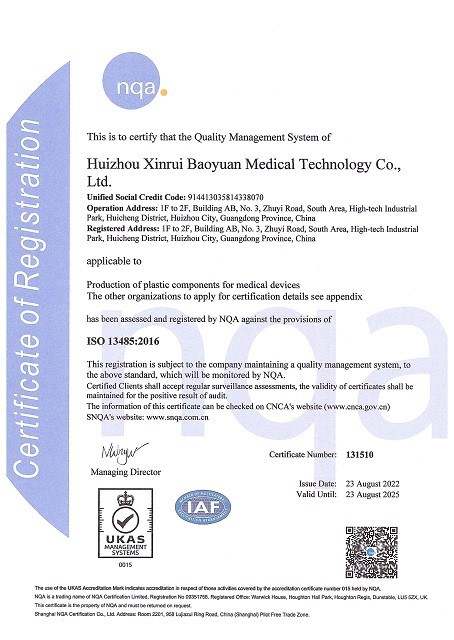
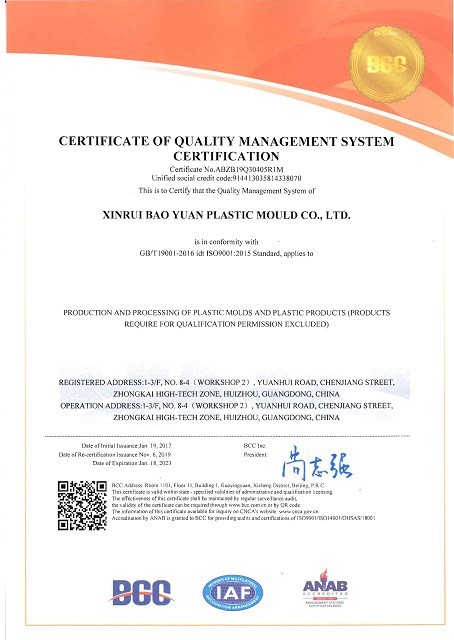
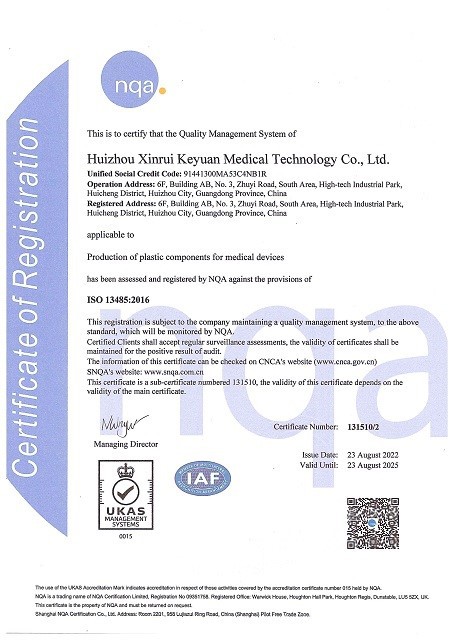
Xinrui Company was established in 2005, focusing on the R&D, designing, processing and production of components for medical equipment.Xinrui has a total construction area of nearly 50000 square meters and over 500 employees. After more than ten years of industry experience and technology accumulation, Xinrui Company has developed into a one-stop medical parts and finished products full ecological chain service manufacturer integrating industrial design, mold design, mold manufacturing, injection molding, surface treatment, sheet metal processing, CNC processing, solid silica gel/liquid silica gel, finished product assembly, etc.
Certificate

FAQ
We're professional injection mould manufacturers and suppliers in China, specialized in providing high quality customized service. We warmly welcome you to wholesale bulk high-grade injection mould for sale here from our factory. For price consultation, contact us.
molded plastic part, injection mold plastic, injection mould tooling